Are Google review stands worth it? Costs, maths and catches
A Google review stand is worth it if it brings in even a few extra reviews. What they cost in Australia, how to do the maths, and the subscriptions to avoid.
By Shortfield 5 min read
For most small businesses that serve customers face to face, a Google review stand is worth it, because it costs a one-off amount comparable to a few sales, and it only needs to produce a handful of extra reviews to pay for itself. It isn’t worth it if it sits in a drawer, if staff never mention it, if it locks you into a monthly subscription that costs more than the stand every year, or if it filters customers in a way that breaks Google’s rules. The stand is the easy part. Putting it in the right place and saying one line to customers is what makes the difference.
What does a Google review stand cost?
Prices across the market vary widely. Broadly you’ll see:
- Cheap generic stands with a printed QR code, sometimes a sticker NFC tag, and often no branding.
- Custom-printed stands with your logo and colours, an NFC chip and a QR code.
- Subscription review products where the stand is cheap or “free” and a monthly fee keeps it working, sometimes bundled with review-management software.
Shortfield tiles cost from $39 to $430 per tile in AUD including GST, depending on material, finish, size and print. A standard counter tile sits toward the lower end of that range; large wall tiles in specialty finishes sit at the top. There’s no subscription required: the free Basic account that comes with any tile lets you point it at your review link, change that link any time and see tap counts. Delivery to anywhere in Australia is priced for your postcode at checkout.
How do I work out if it’s worth it?
Do the maths for your own business. You need three numbers:
- What the stand costs, once, plus any monthly fee over, say, three years.
- What a new customer is worth to you, in profit, not revenue, over the time they keep coming.
- How many extra customers you’d need to cover the cost.
An example with made-up numbers: a café pays $70 for a stand. A regular who comes twice a week might be worth a few hundred dollars in profit a year. If better reviews bring in one new regular in the first year, the stand has paid for itself several times over. For a dentist, physio or tradie, one new client is worth far more, and the break-even point comes sooner.
Now do the same maths for a subscription product at, say, $30 a month. Over three years that’s more than $1,000 for the same basic job: opening your review link. Unless the software included does something you actually use, a one-off stand is the better buy.
What makes a review stand pay off?
Reviews help you in two ways: more of them, and more recent ones. Google considers review count and recency, and customers read the latest reviews first. A stand that brings in a steady trickle is doing both jobs.
What moves the tap count:
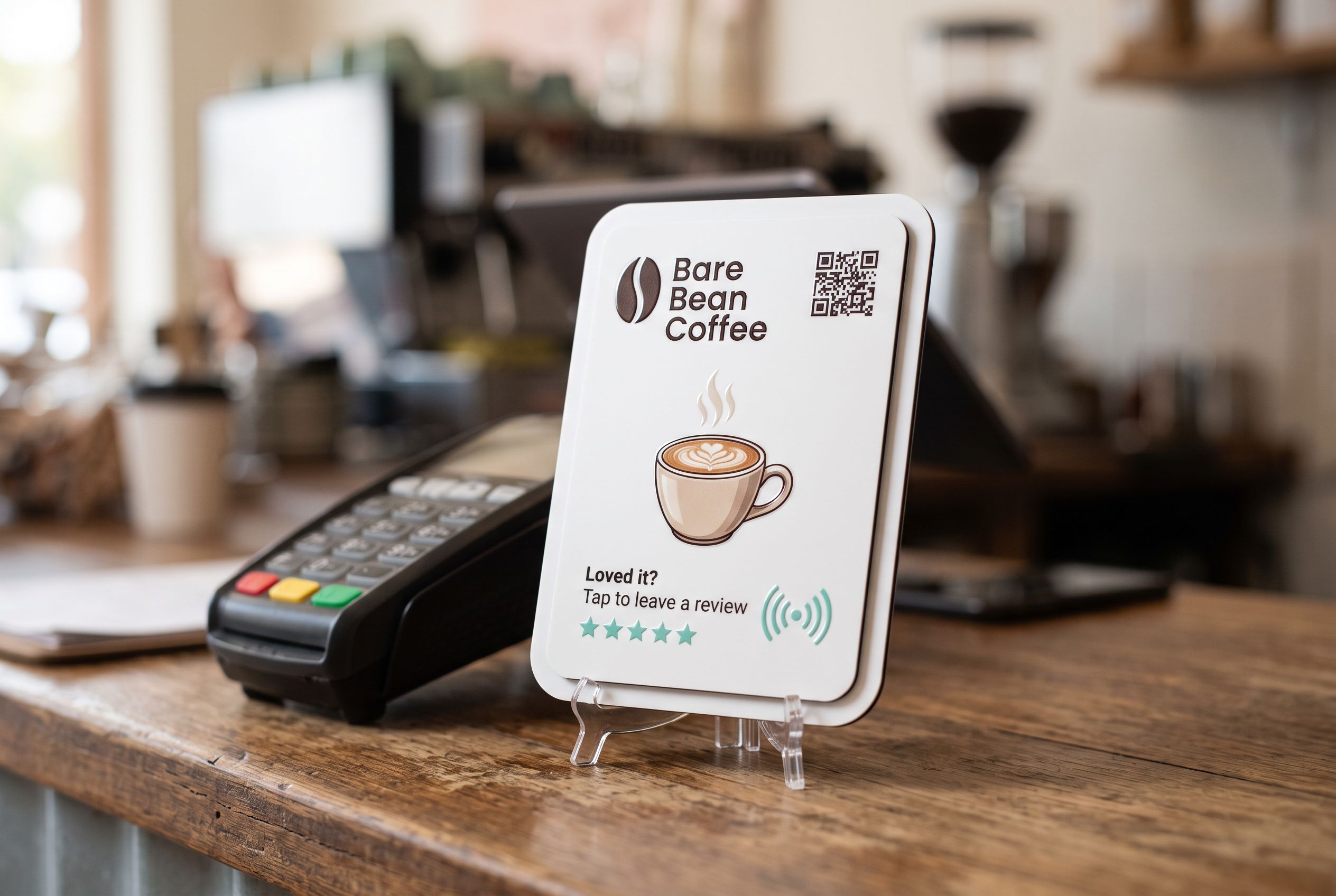
- Placement. Beside the card terminal, where every customer stands at the moment they’re happiest. See where to put a Google review stand.
- One line from staff. “If you enjoyed it, tap your phone there and it opens our Google review.” Most of the difference between a stand that works and one that doesn’t is this sentence.
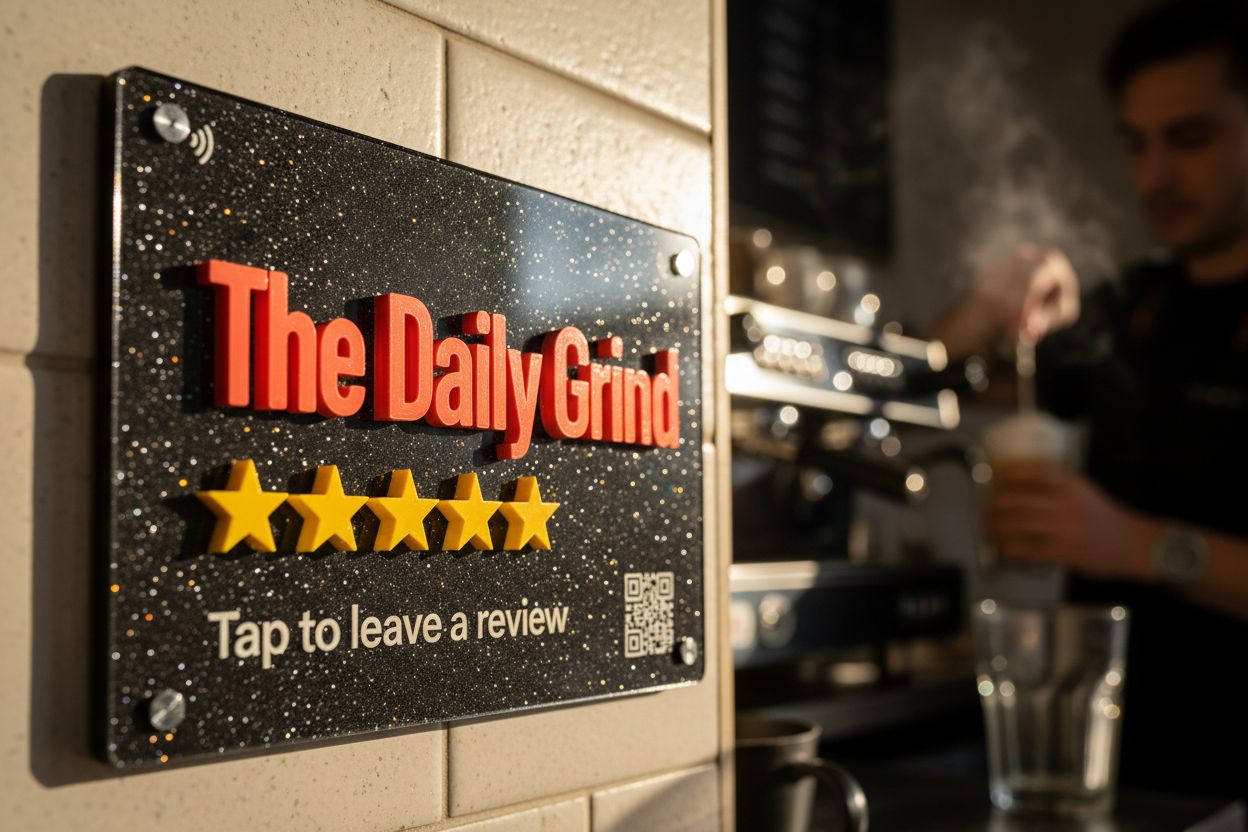
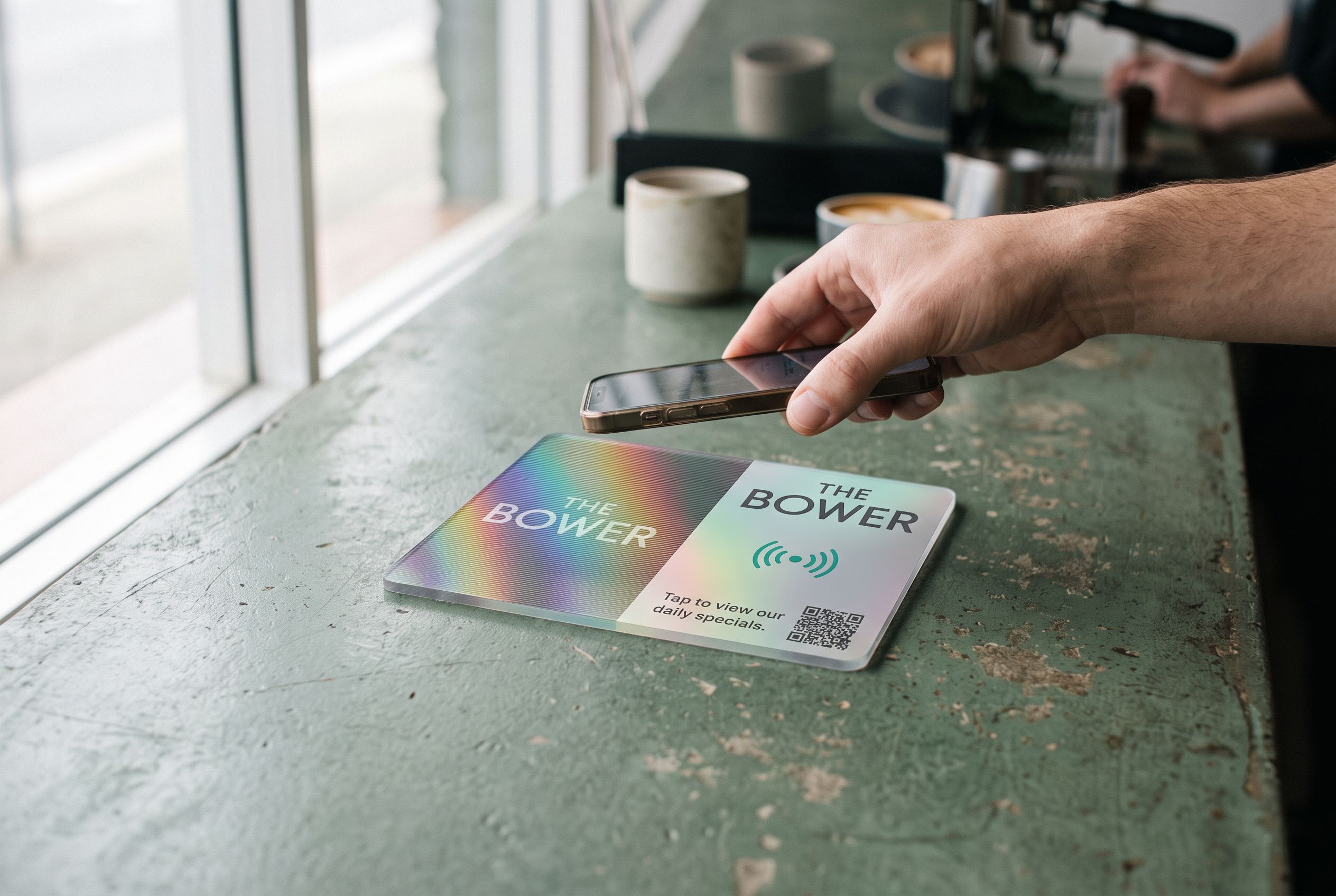
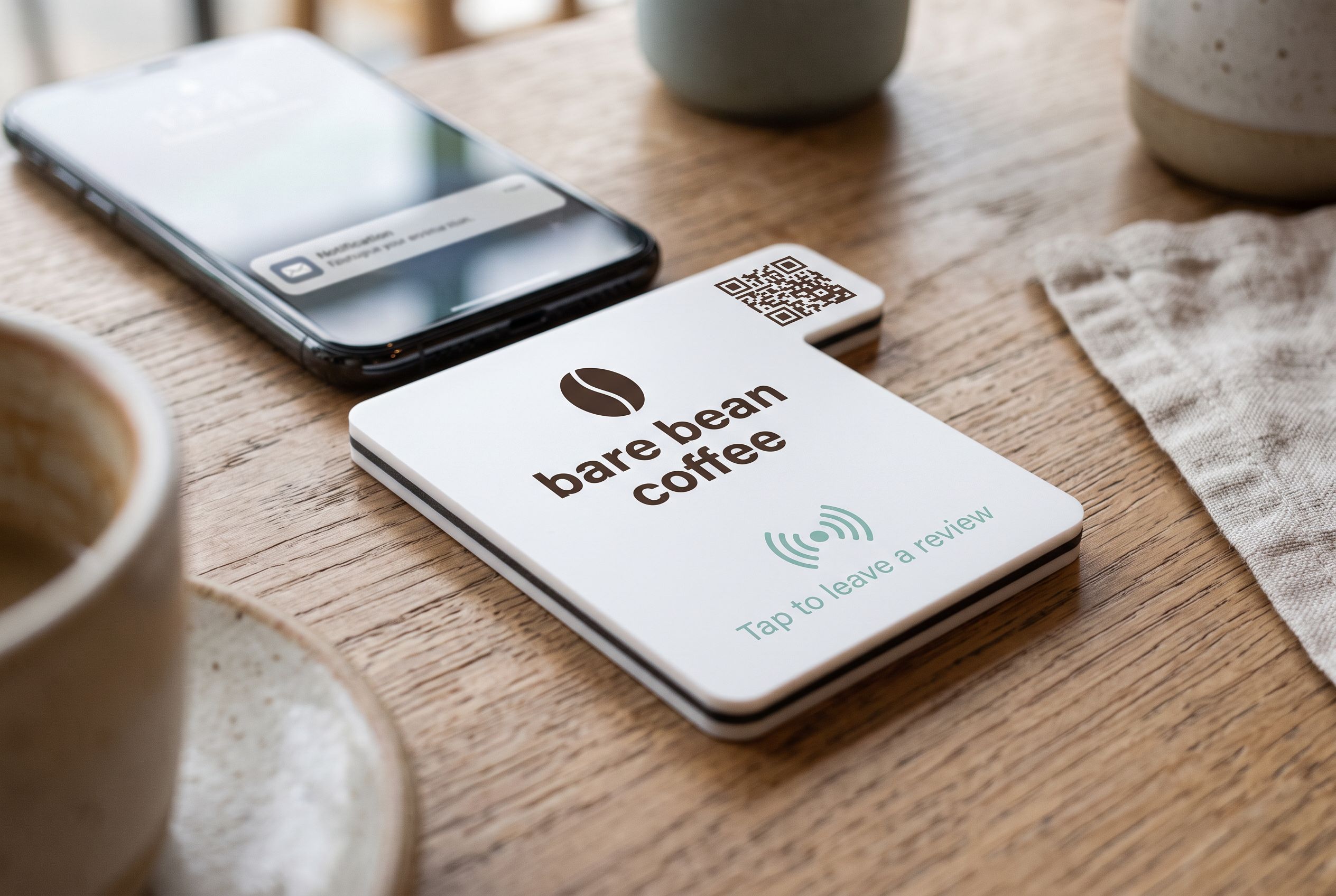
- A clear face. Your logo, “Tap to leave a review”, and a QR code for phones that can’t tap.
- Opening the form directly. The link should open the review box with stars showing, not your Maps listing. See how to get your Google review link.
Your tap counts show whether it’s working. If a tile gets few taps, move it or change what staff say, and check again in a fortnight.
When is a review stand not worth it?
- Online-only businesses. No counter, no stand. A review link in your follow-up email does the job.
- Businesses with almost no foot traffic, where a direct ask by text or email after each job reaches more people.
- If it gates reviews. A stand that asks “How did we do?” and only sends happy customers to Google breaks Google’s policies and risks an ACCC problem. See Google review rules in Australia.
- If it’s tied to a subscription that stops the stand working when you cancel. Ask the seller directly what happens to the stand if you stop paying.
What about the optional Shortfield plans?
You don’t need them for a review stand. The Starter plan ($9/month, 30-day trial) adds a hosted page behind a tile, branding, an inbox and analytics, plus 10% off tiles. It suits businesses that want the tile to open a page with several options, such as a review link, a quote form and a Wi-Fi password. The Managed plan ($15/month) adds a payment portal. Both are optional, and a review tile works without either. The pricing page has the detail.
Is one stand enough?
One per point of sale is the usual answer. A café with one register needs one; a clinic with two reception desks needs two. Multi-site businesses and franchises can order runs of 10 or more with bulk pricing; see bulk orders.
To see what yours would look like, design one on the Google review stand page. The designer shows it fully rendered before you buy.
Frequently asked
Will a review stand get me 5-star reviews? It gets you reviews. Whether they’re 5 stars depends on the service. It makes leaving a review easy for everyone who’s happy, which usually lifts the average.
Do review stands work for older customers? Many do tap, especially those who pay contactless. The QR code and a staff member explaining it cover the rest.
How long does a stand last? The chip has no battery and nothing to wear out; the tile is sealed acrylic or wood. It lasts as long as it isn’t broken.
Can I use the same stand for Facebook or Tripadvisor? Yes. Change the destination in your account any time.